From a DOS-era system to one platform.
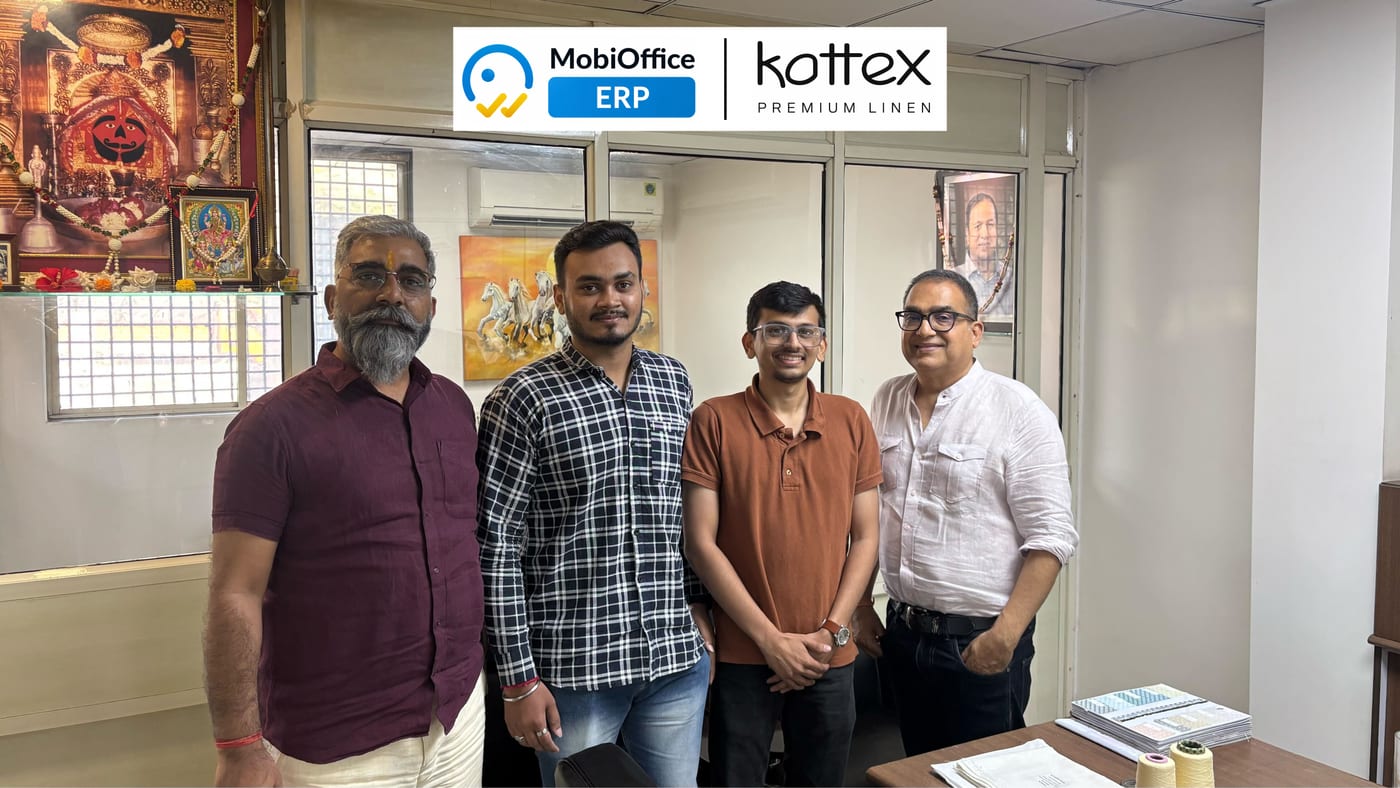
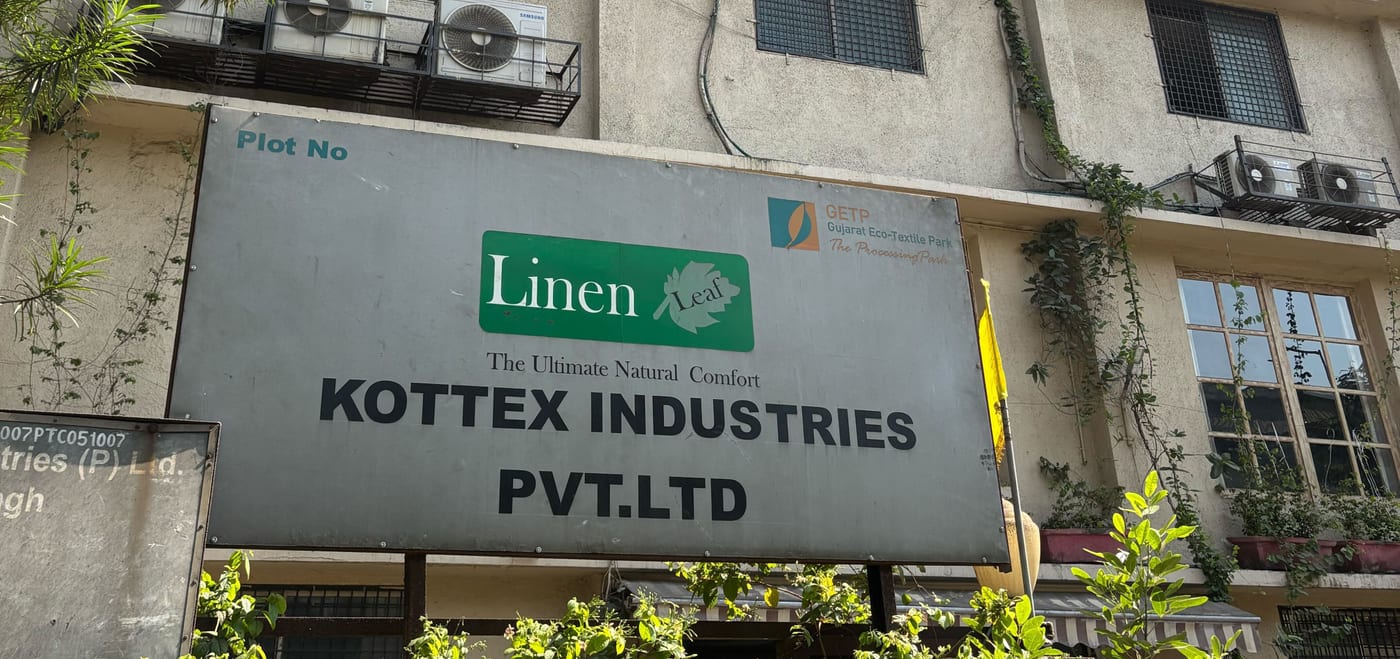
Kottex Industries, Surat.
A 650-person multi-process textile unit running yarn dyeing, fabric dyeing, weaving, and twisting under one roof. Six years after switching from a legacy DOS system to MobiOffice — material savings, a leaner GST function, and a platform the team now describes as feeling like their own.
| Process | Machines | Shifts / day | Workers |
|---|---|---|---|
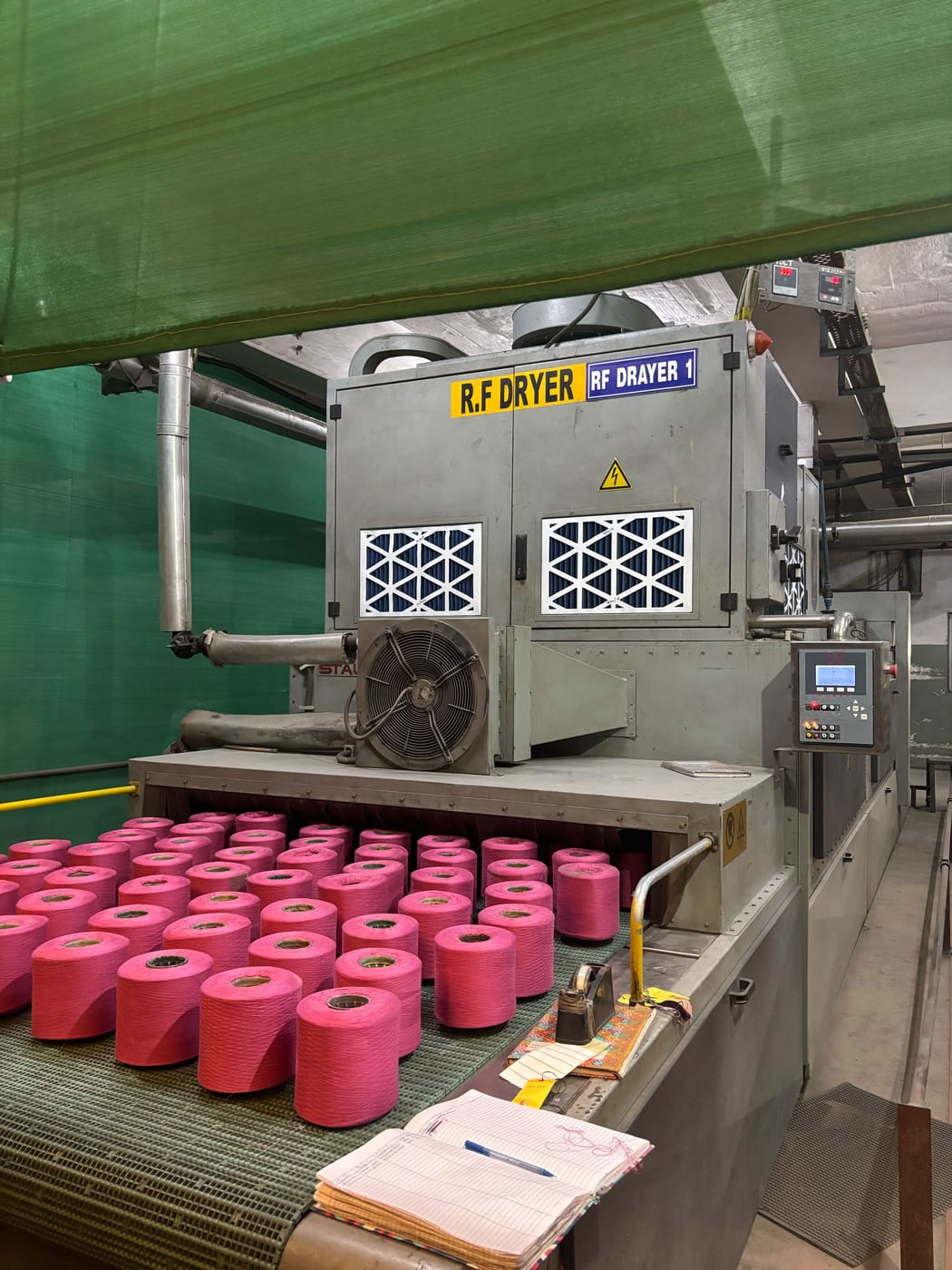
| Yarn Dyeing | 24 | 3 | 100 |
| Fabric Dyeing | 30 (aux) | 3 | 200 |
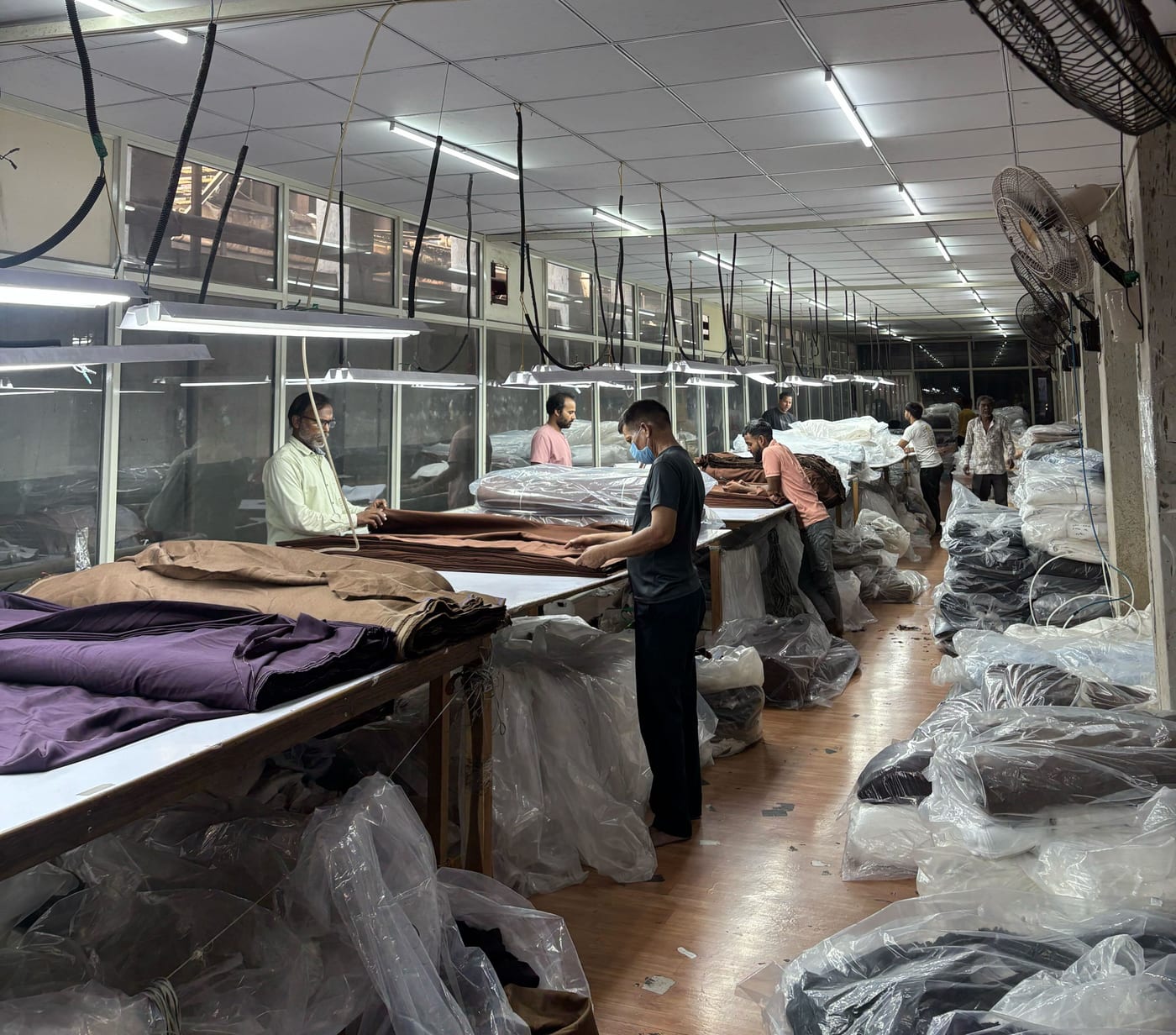
| Weaving | 150+ looms | 3 | 300 |
| Twisting | 4 | 3 | 100 |
| Other Staff | — | — | 100 |
Not a single failure. Accumulated limitations.
For much of their 20-year history, Kottex ran on Dynamics, a DOS-based system that worked within the constraints of its time but could not keep pace with the complexity of a growing multi-process operation. Remote access was not available. Reporting was limited. The gap between what the business needed and what the software could offer kept widening.
- No remote access — data could only be viewed from on-site terminals, limiting decision-making speed for management.
- No machine downtime reporting — there was no visibility into which machines were idle, underperforming, or stopped.
- No automated communication — reports had to be manually compiled and shared, delaying response times across departments.
- Dye and chemical consumption tracked on paper slips (parchis), with no system-level control or validation.
- GST compliance required an entire department of staff, with significant manual effort going into reconciliation and filing.
Software that feels built for the floor.
Kottex went live on MobiOffice in 2018. After years of working around the limitations of an external system, MobiOffice felt like something built for them.
After MobiOffice, it does not feel like we are using an outsourced system. It feels like our own in-house software, built around how we actually work.
That sense of ownership reflects both the depth of integration and the responsiveness of the MobiOffice team in adapting the platform to Kottex's specific multi-process requirements across four distinct production areas.
Six years on, three numbers tell the story.
Yarn savings across weaving and fabric processes
Reduction in dye and chemical consumption
Person now handles GST compliance (down from a full department)
Yarn and fabric process savings
Since moving to MobiOffice, Kottex has seen approximately 1% savings in yarn consumption across both the weaving and fabric dyeing processes. For a unit running 150+ looms and 30 fabric dyeing machines across three shifts, even a 1% improvement in material yield compounds significantly over a full year of production.
Dye and chemical consumption
Before MobiOffice, dye and chemical usage was tracked using a parchi system — handwritten slips that recorded what was issued to each batch. The system had no validation layer. Quantities could be entered without checks, and there was no easy way to compare actual consumption against the standard recipe for a given fabric or shade.
After MobiOffice, consumption is tracked digitally at the batch level with system controls in place. The result has been approximately 5% reduction in dye and chemical spend — a meaningful saving per month at this scale of dyeing operation.
Machine downtime visibility
The previous software had no machine downtime reporting. Supervisors had no system-level way to know which machines were idle, when they stopped, or for how long. This made it difficult to distinguish planned stoppages from unplanned ones and nearly impossible to benchmark machine-level productivity over time.
MobiOffice now provides machine-wise production reports, downtime tracking, and comparison data across machines and shifts. Management can identify underperforming machines, spot recurring downtime patterns, and take corrective action with data backing — not floor observation alone.
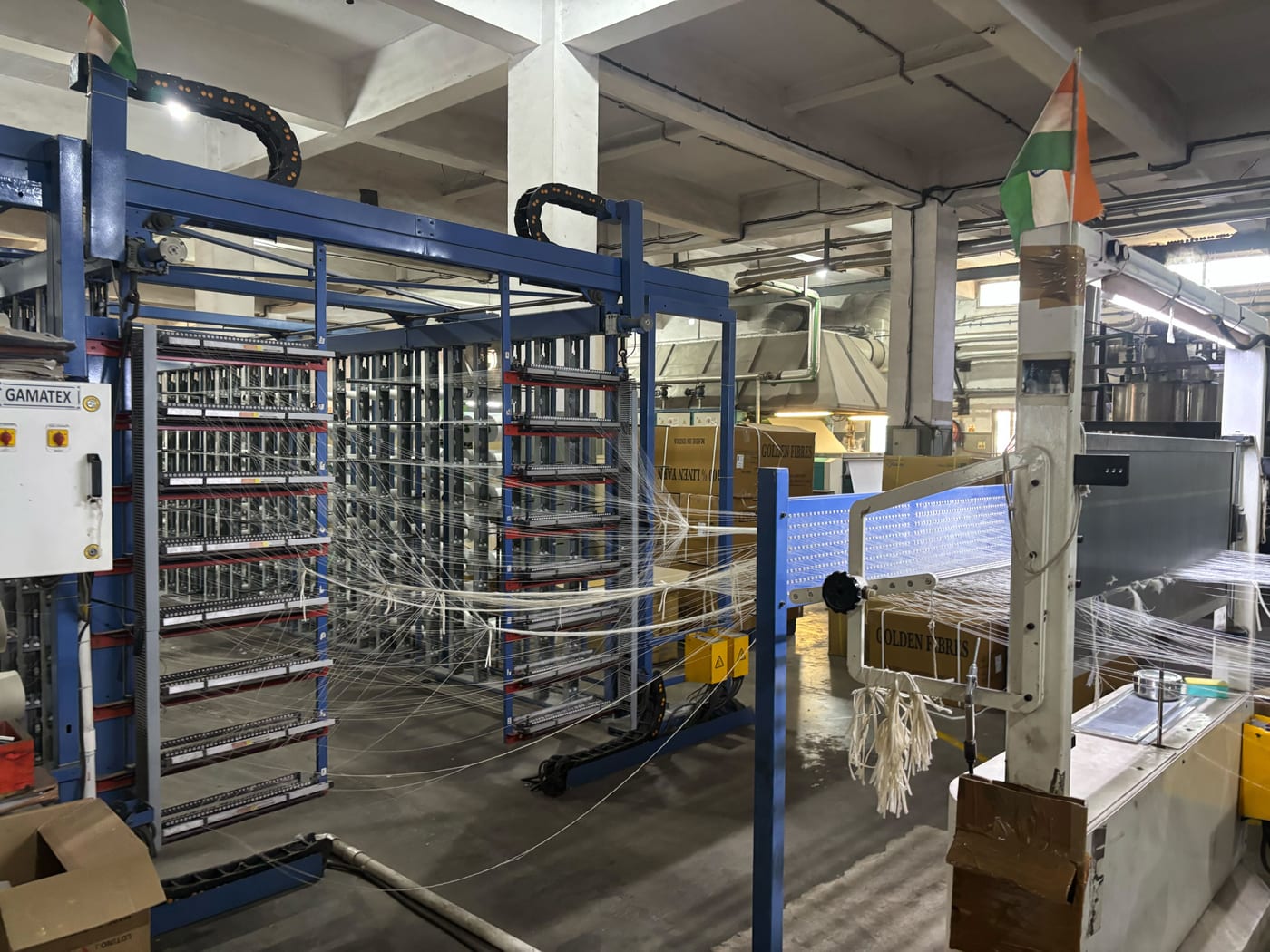
On-demand production planning
Production at Kottex is now planned on demand using MobiOffice. When an order comes in, the planning team can immediately check inventory, assess machine availability across all four processes, and generate a production plan without waiting for manual data compilation from individual departments. The General Manager noted that overall production efficiency has increased as a direct result of faster and more reliable planning.
Automated reporting and faster deliveries
MobiOffice's automated email reporting was one of the features Kottex specifically moved towards when leaving the old system. Reports that previously required manual compilation are now sent automatically to the relevant people. The operational impact is a faster feedback loop: when a report flags a delay or a shortfall, the team acts on it immediately rather than at the next scheduled review.
Because we get reports quickly, we can speed up production and deliver faster. Customer queries are easier to resolve. The monetary benefits from that are real.
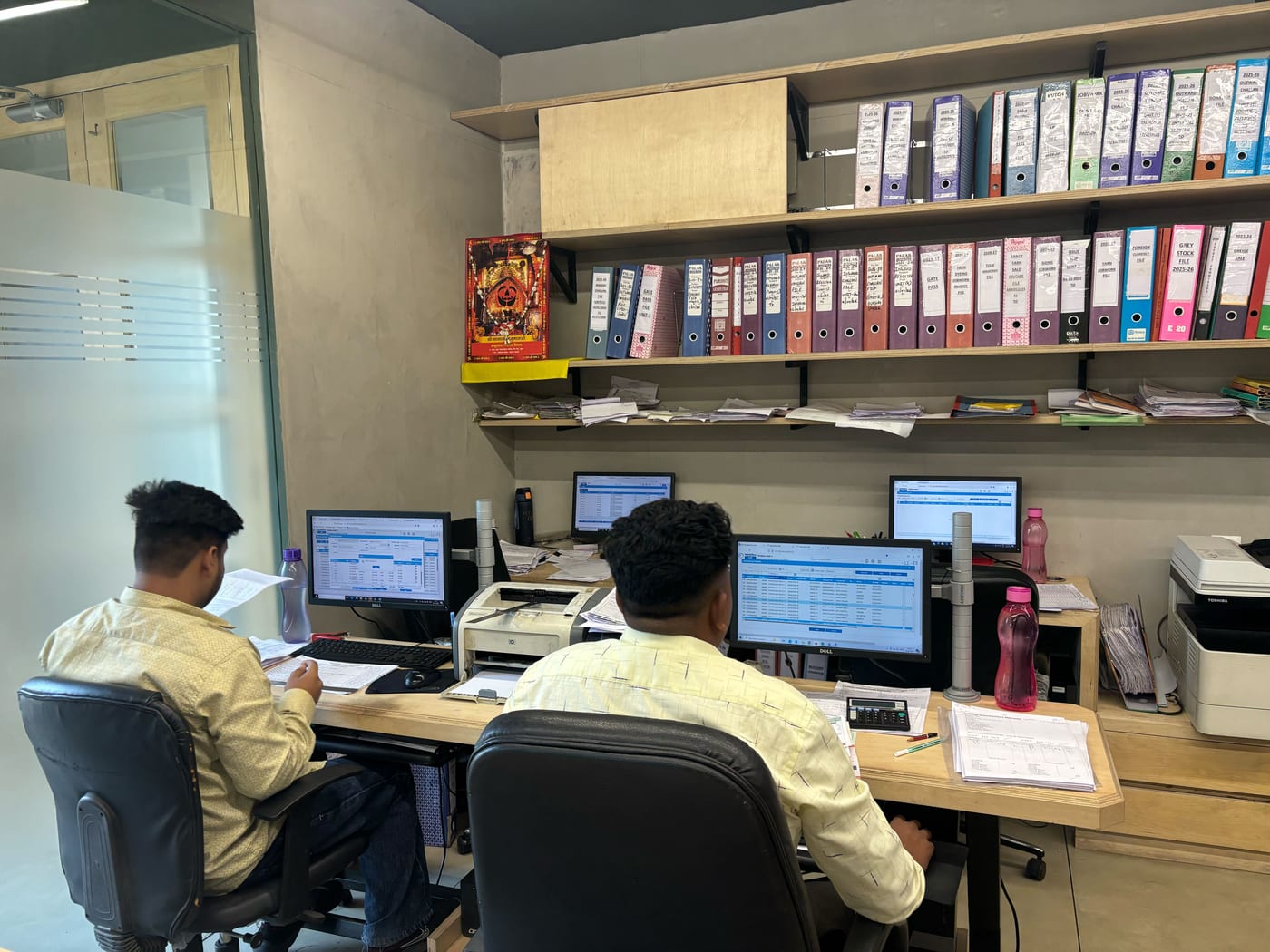
GST compliance and accounts
GST compliance previously required a dedicated team. Multiple people were involved in reconciliation, data entry, and filing across the organisation's four business processes. After MobiOffice, the same work is handled by a single person. The manual oversight that consumed the rest of the team's time has been largely eliminated.
After MobiOffice, the accounting system improved completely. We have live data awareness at all times, processes have become smooth, and on-demand reports are always available. Customer queries are resolved quickly. We have not faced any major operational issues since we made the switch.
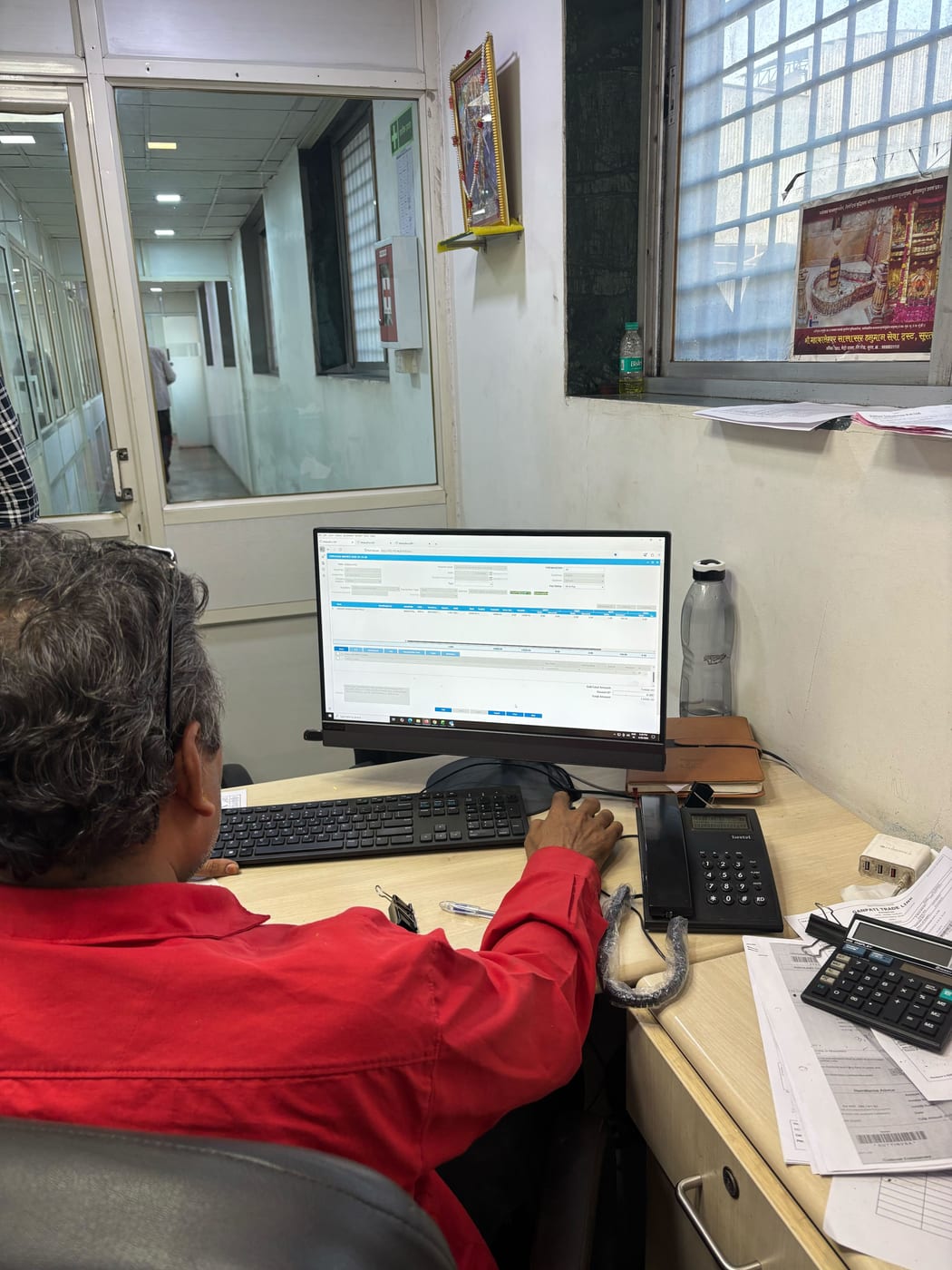
Bottleneck identification across four processes
Running four interdependent processes — yarn dyeing feeding into weaving, fabric dyeing running in parallel, twisting as a finishing step — means a delay in one area can cascade across the rest of the operation. Identifying where the slowdown is happening used to require floor visits, phone calls between supervisors, and manual cross-checking of production records.
With MobiOffice, Kottex now identifies bottlenecks directly from the reporting layer. The General Manager, Madan Mohan Sharma, described this as one of the clearest operational changes since the transition. When a process is running behind, the system surfaces it before it becomes a delivery problem — not after.
Before MobiOffice. After MobiOffice.
| Area | Before MobiOffice | After MobiOffice |
|---|---|---|
| Yarn and fabric process savings | No tracking | ~1% material saving |
| Dye and chemical consumption | Parchi system, uncontrolled | ~5% reduction |
| Machine downtime visibility | Not available | Machine-wise reports + comparison data |
| Production planning | Manual, department by department | On-demand, system-driven |
| Bottleneck identification | Floor observation and calls | Visible in reports in real time |
| GST compliance team | Full department | 1 person |
| Remote data access | Not available | Available anywhere, any time |
| Automated reporting | Manual compilation | Auto-email reports to relevant teams |
| Payroll integration | Not yet implemented | Ticket raised, in progress |
Software that feels like the backbone.
Kottex Industries is a business that had outgrown its software and knew it. The move to MobiOffice in 2018 was a decision to invest in a platform that could handle the real complexity of running four processes, three shifts, and 650+ people reliably and with visibility at every level.
Six years on, the numbers are clear. Material savings, reduced dye consumption, a leaner GST function, faster deliveries, and a platform the team now describes as feeling like their own. That last point matters. When a team stops thinking of their software as an external tool and starts treating it as the backbone of how the business works, the integration has gone exactly as deep as it should.
Continue with related pages.
A 160+ water-jet weaving unit in Surat, on the system from day one.
Read →Lot tracking, recipe masters, batch processing, jobwork billing.
Read →Water-jet, jacquard, and the broader Surat cluster context.
Read →Same-shift variance flags — what cuts dye and yarn loss in real time.
Read →GSTN native, banking, BI, automated email reporting.
Read →AS-IS, GAP, TO-BE, master data, training, phased go-live.
Read →Manage a multi-process textile operation?
Send your unit type, processes, and current setup on WhatsApp. We'll walk through how MobiOffice handles your full production chain.