14 years on MobiOffice.
Anubha Fabrics, Surat.
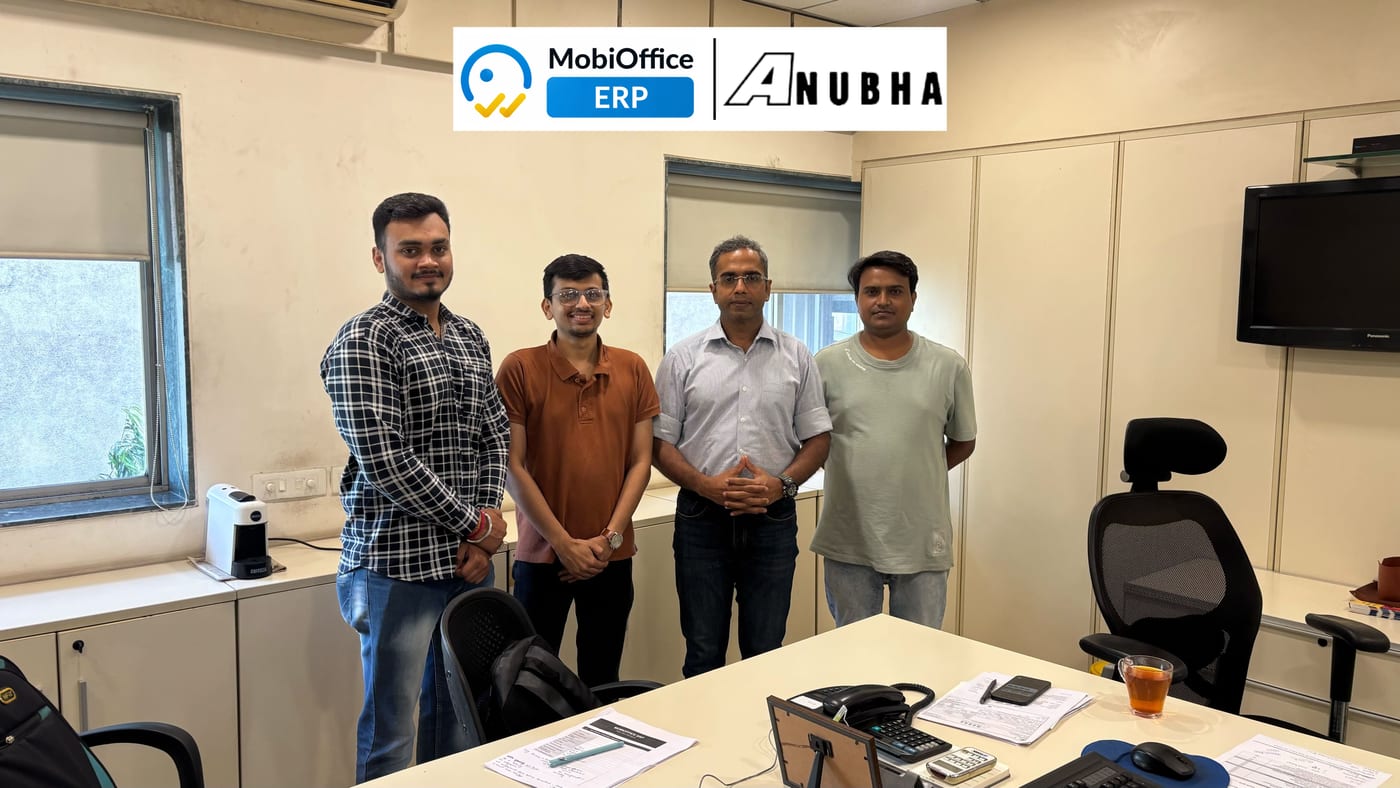
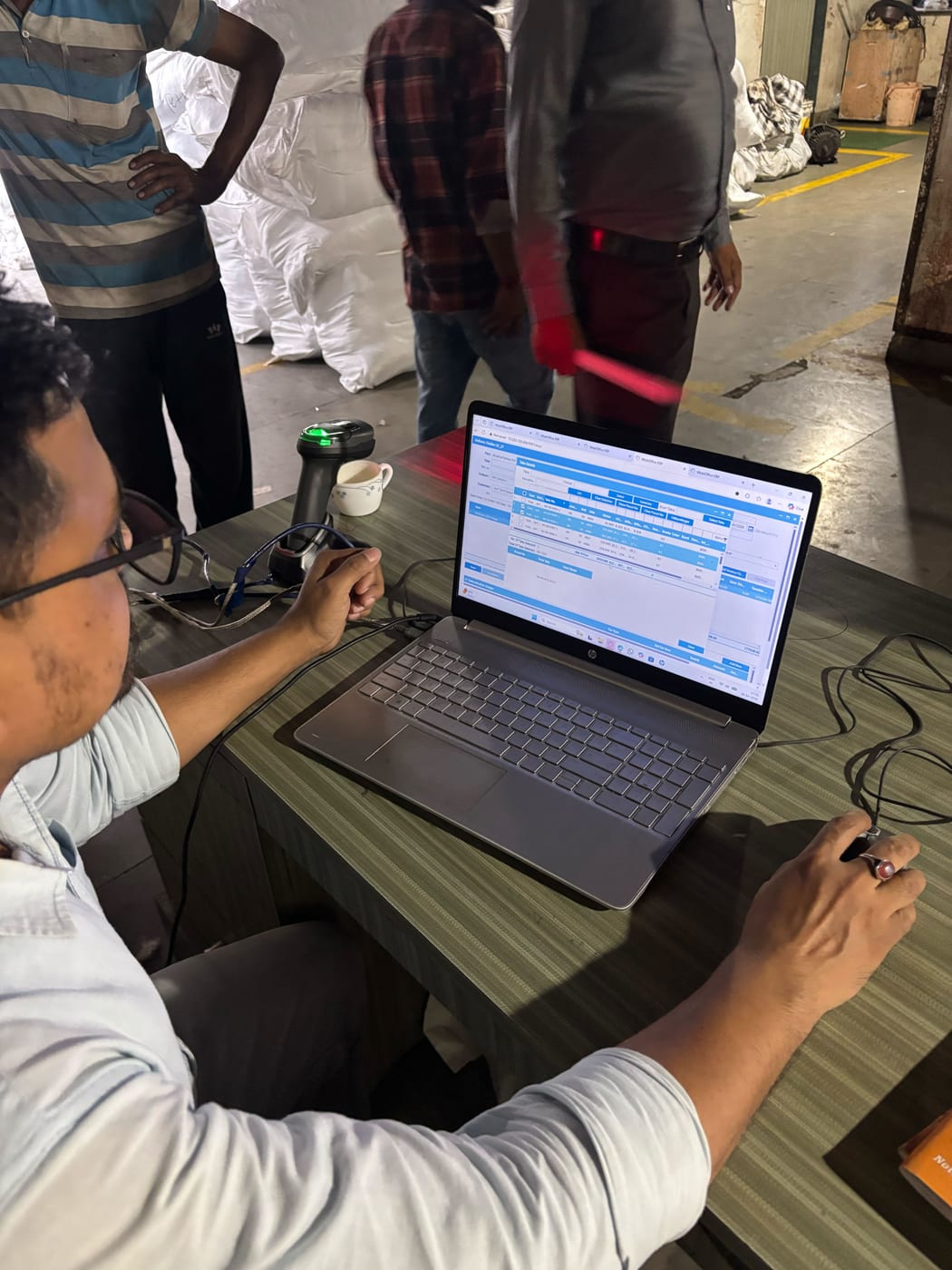
Vipul Kanodia, Director of Anubha Fabrics Pvt. Ltd., adopted MobiOffice from day one. 14 years and 160+ water-jet looms later, the platform is still the system of record. No shadow ledger, no backup register. Everything flows through it.
Built with the software, not on top of it.
Most ERP conversations begin with a problem. The Anubha story is different. Vipul Kanodia adopted MobiOffice from day one, which means the software was not layered on top of an existing process — the process was built with the software from the start.
It is all about trust. MobiOffice has always been there when we needed them, responsive and committed. They listen, they act, and they build with you. This is not a vendor relationship. When you go with MobiOffice, you go all in, and they do too.
The phrase goes all in is significant. It reflects a choice to fully commit to one system rather than maintaining parallel manual records as a fallback — a common pattern in the industry. At Anubha Fabrics, the software is the system of record. There is no shadow ledger, no backup register. Everything flows through MobiOffice.
Loss visible at each stage. Not a guess at month-end.
When asked about yarn wastage and invisible loss, Vipul Kanodia did not cite a percentage improvement. He described something more valuable: visibility where there previously was none.
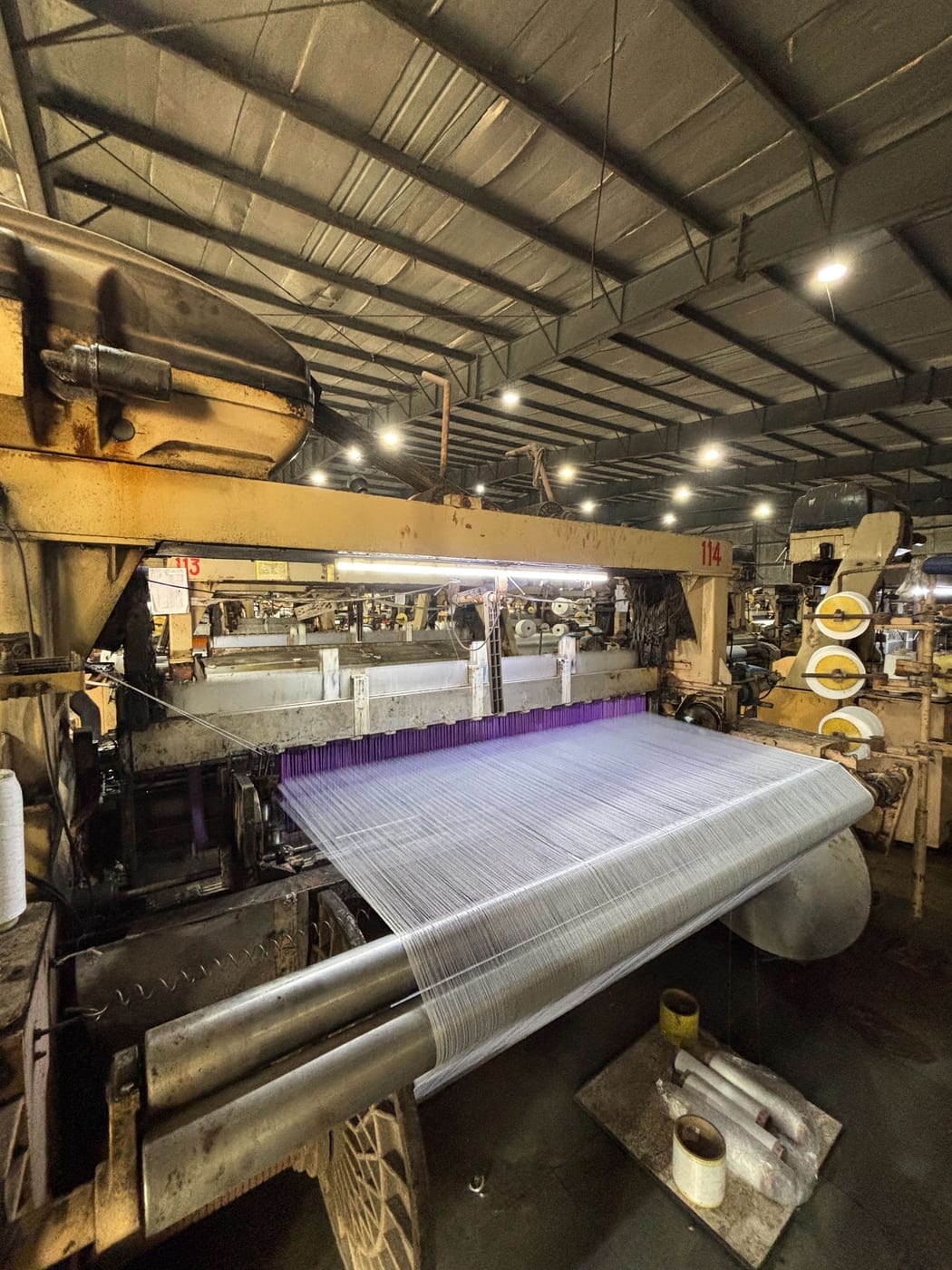
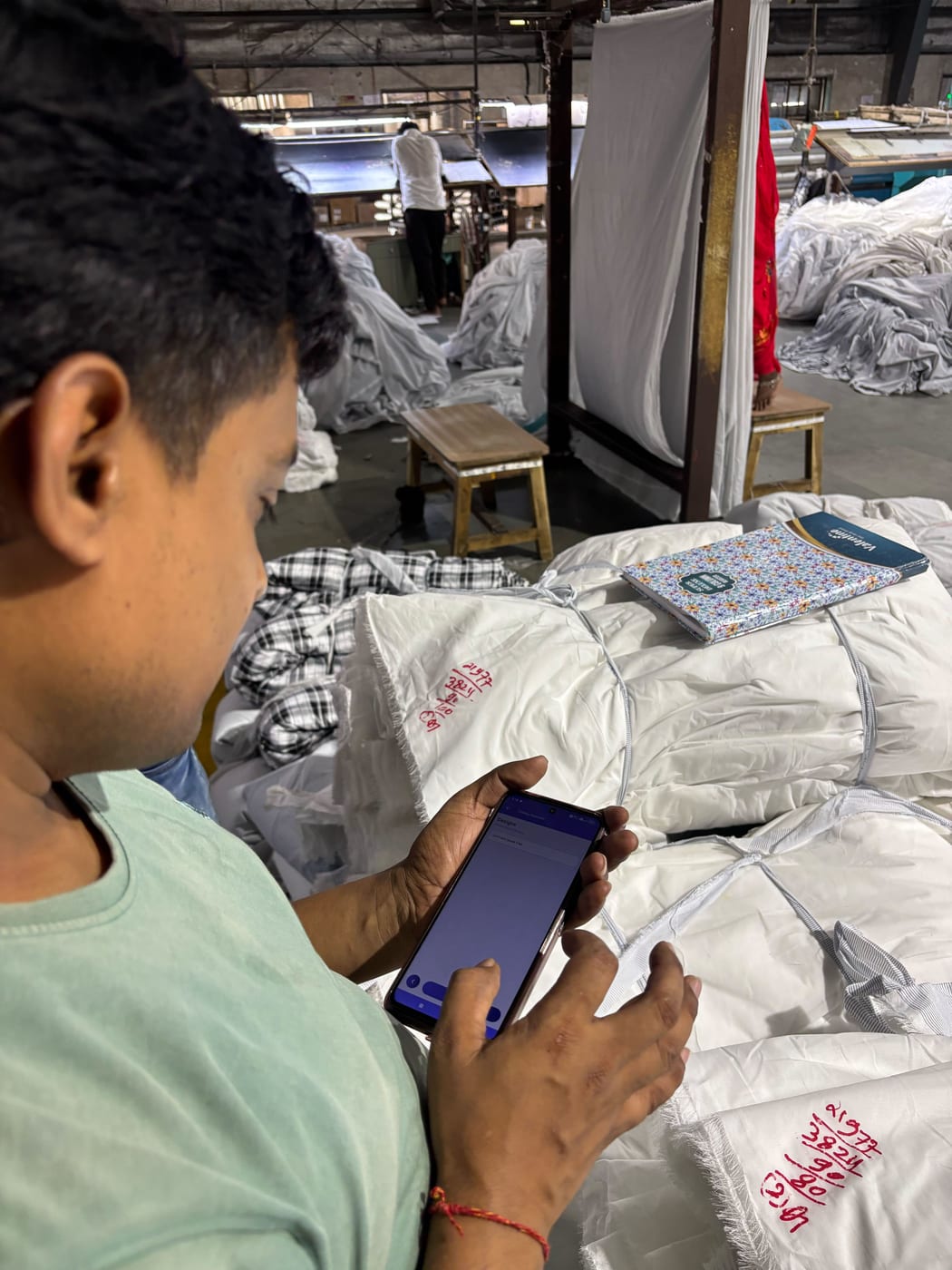
MobiOffice gives Anubha Fabrics visibility at each stage independently. The loss of 10 between Beam and Doff is tracked separately from the loss of 5 between Doff and Fold. The unit can identify exactly where shrinkage is happening and act at that specific point — instead of looking at a total figure at month-end and guessing.
Two controls that keep the data honest.
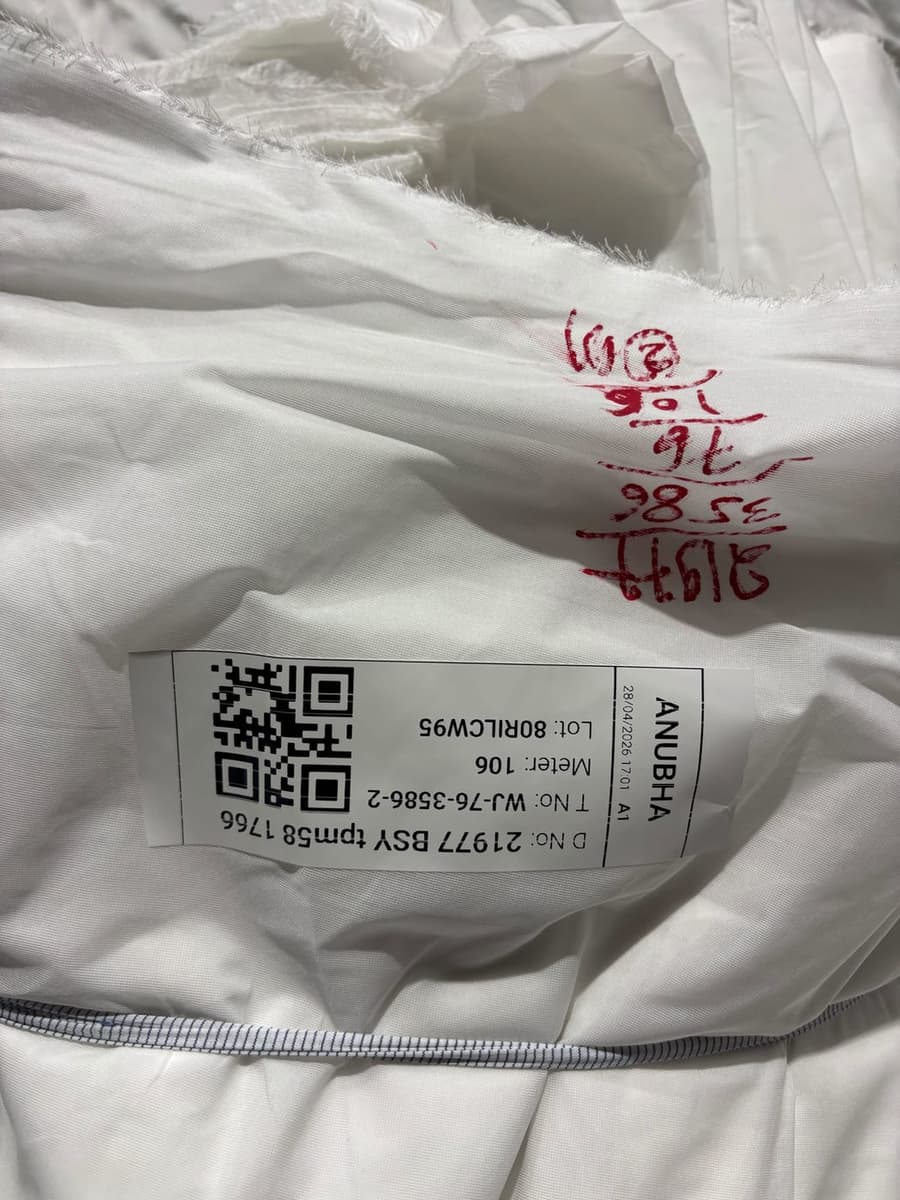
Every roll tracked individually
If a beam of 100 units is broken into 10 rolls of 10, MobiOffice tracks all 10 rolls individually. If one roll goes missing or is not recorded at the next stage, the system flags it. Without this, a single missing roll would be invisible in the final numbers.
Impossible numbers rejected at source
In a manual system, a worker could record 100 units in and 200 units out at the fold stage — physically impossible. MobiOffice validates entries against physical logic. A fold output cannot exceed input from the previous stage. The system rejects impossible data before it enters the record.
The data structure is intact. There is no misinformation, no delay. What the system shows is exactly what is happening on the floor.
From purchase order to warp + weft requirement, automatically.
One of the most-used features at Anubha Fabrics is the Production Planning Report with Design functionality. It was not part of the original MobiOffice offering — it was requested by Anubha and built specifically in response to their operational need.
Purchase Order is entered into MobiOffice
System checks current inventory levels automatically
Warp and Weft requirement generated on demand
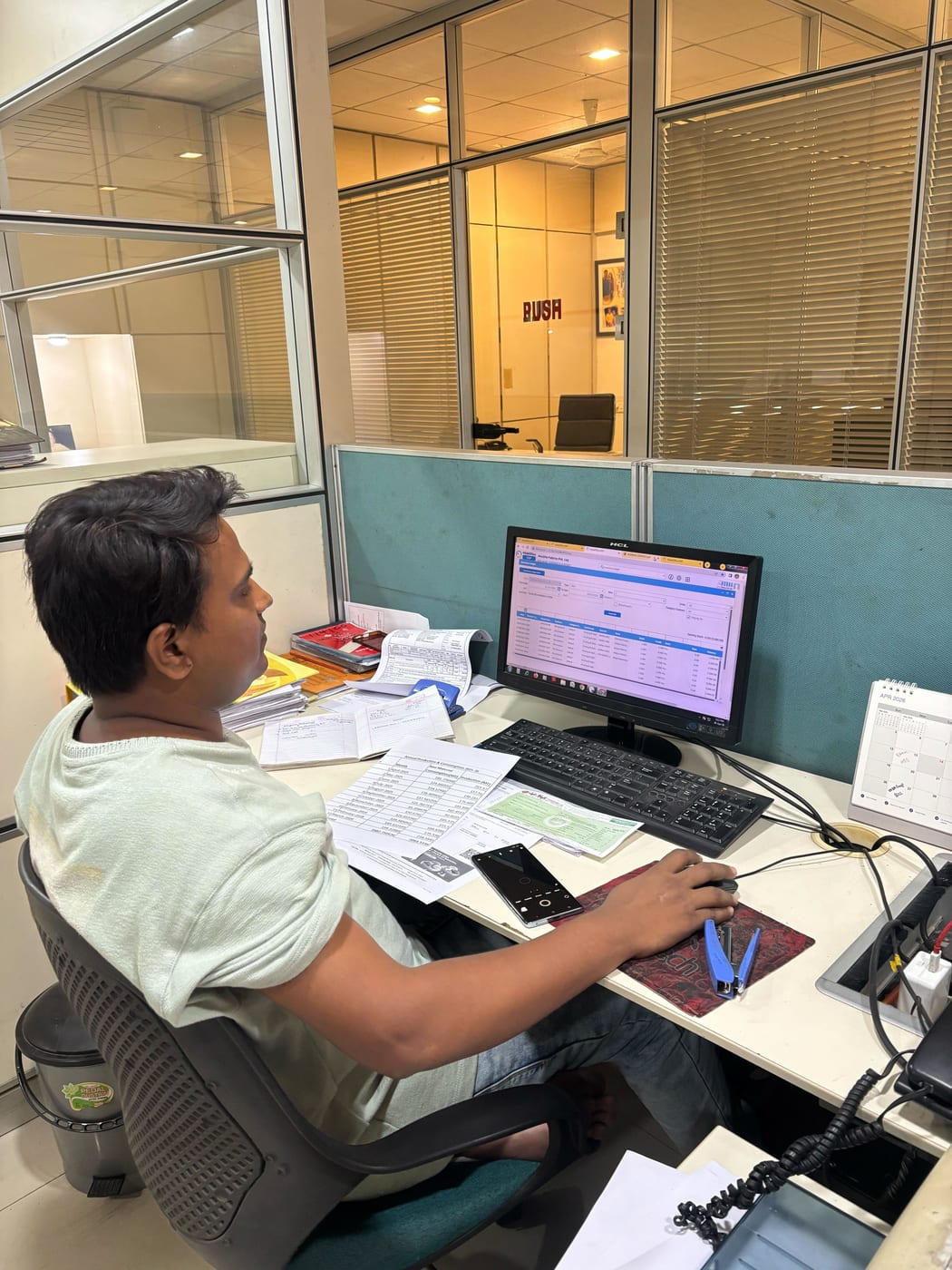
The planning team no longer manually calculates raw material requirements for each order. Enter the purchase order, check inventory, get warp and weft quantities — immediately. The manual calculation step that previously sat outside the system, with its associated human error, is gone. Built in response to Anubha's input — a reflection of the co-development relationship over 14 years.
Grey-area looms surfaced.
On loom downtime and idle-time tracking, Vipul Kanodia confirmed that MobiOffice highlights the grey areas — looms neither actively running nor formally recorded as stopped for maintenance or breakdown. They are simply idle without explanation.
In a unit running 160+ looms across two shifts, untracked idle time adds up quickly. Seeing which looms are underperforming or unexplainably stopped lets the floor supervisor act immediately rather than discovering the loss at the end of a shift or at monthly review.
Six areas where MobiOffice runs Anubha's floor.
Process visibility
Stage-by-stage tracking from Beam to Doff to Fold, with loss visible at each step — not a single end-of-month total.
Anomaly detection
Missing rolls flagged automatically. Impossible entries (a fold output exceeding doff input) are rejected at source.
Production planning
Warp and weft requirements generated automatically when a purchase order is entered, after a live inventory check.
Loom idle time
Grey-area looms — neither running nor formally stopped — surfaced so supervisors can act in the same shift.
Data integrity
14 years of clean, intact, real-time data. No misinformation. No delay. The system reflects what is on the floor.
Trust and support
Software team available, responsive, and willing to build features in response to specific operational needs.
A foundation, not a fix.
The Anubha Fabrics case study is not the story of a business that was struggling and found a solution. It is the story of a business that was built correctly from the beginning because the right operational foundation was in place from day one. Fourteen years later, that foundation is still intact.
For a prospect considering MobiOffice, the message from Anubha is straightforward. Full commitment to a single, well-built system produces operational clarity that compounds over time. The visibility, accountability, and planning capability MobiOffice delivers does not just solve today's problems — it builds the discipline that makes every future year easier to manage.
Continue with related pages.
650-person operation across yarn dyeing, fabric dyeing, weaving, and twisting.
Read →Water-jet, jacquard, and the broader Surat cluster context.
Read →Beam planning, doffing, weft auto-consumption, dispatch.
Read →The same-shift variance approach that defines Anubha's data discipline.
Read →AS-IS, GAP, TO-BE, master data, training, phased go-live in 10–12 weeks.
Read →Featured weaving units, dyeing/printing houses, and the broader customer wall.
Read →Want to see MobiOffice running on a unit like yours?
Send your loom count and loom type. We'll walk you through the screens running for a unit at your scale.